

Choosing the right bed sheets is essential for a good night’s sleep, as they significantly impact comfort and overall sleep quality. With a myriad of options available, understanding the various materials, thread counts, and weaves can help you make an informed decision. This guide will explore the best bed sheet fabrics, the importance of thread count, and how to select sheets that cater to your comfort needs. Additionally, we will discuss environmental considerations and care practices to ensure your sheets remain soft and durable over time. By the end of this article, you will have a comprehensive understanding of how to choose the best bed sheets for your comfort and quality needs.
What Are the Best Bed Sheet Fabrics for Comfort?
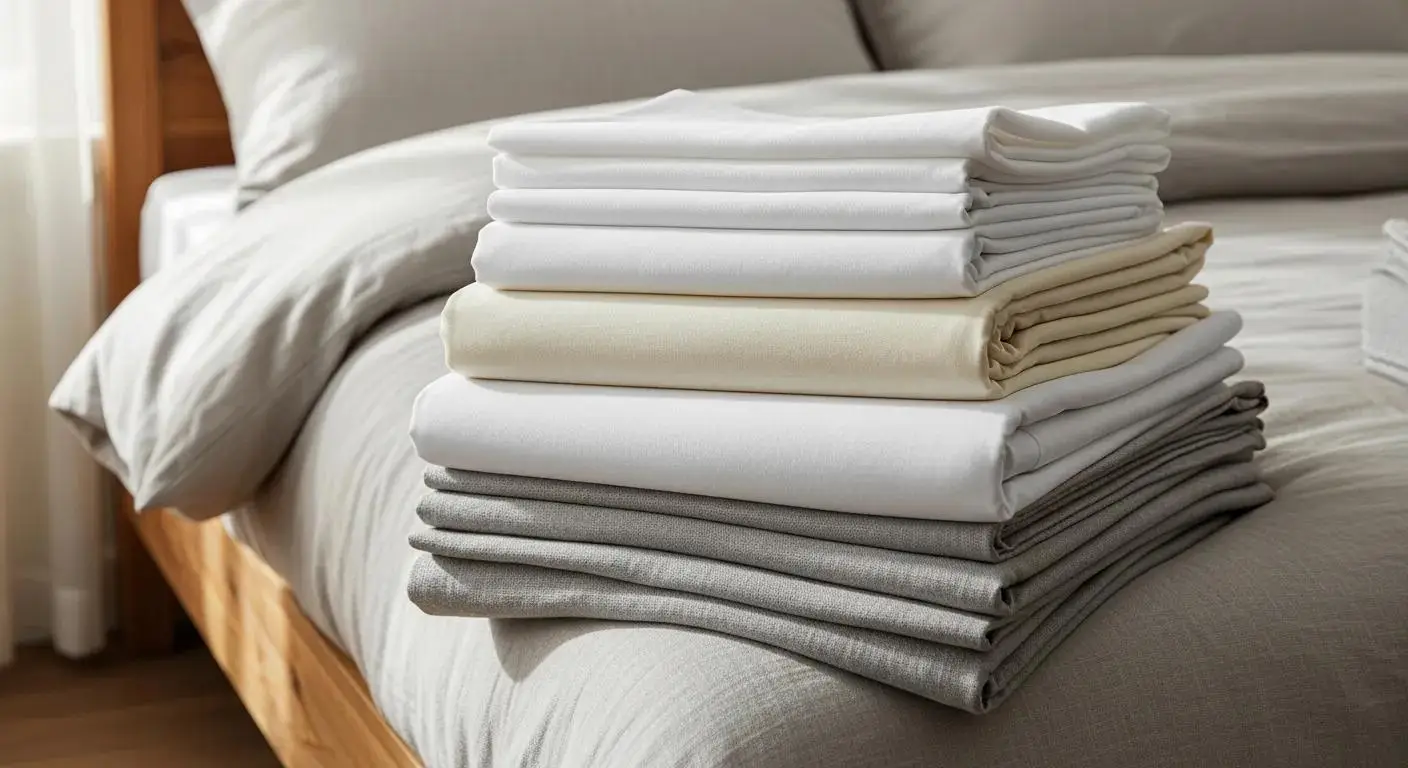
The fabric of your bed sheets plays a crucial role in determining their comfort level. Different materials offer varying degrees of softness, breathability, and durability. Common fabrics include cotton, bamboo, and microfiber, each with unique properties that cater to different preferences and needs. Understanding these fabrics can help you select the best option for your sleeping environment.
| Material | Comfort Rating | Durability |
|---|---|---|
| Cotton | High | High |
| Bamboo | Very High | Medium |
| Microfiber | Medium | High |
Cotton sheets are renowned for their breathability and softness, making them a popular choice. Bamboo sheets, on the other hand, are exceptionally soft and have natural moisture-wicking properties, making them ideal for hot sleepers. Microfiber sheets are durable and resistant to wrinkles, but they may not offer the same level of breathability as cotton or bamboo.
How Do Cotton and Bamboo Sheets Compare in Softness and Durability?
When comparing cotton and bamboo sheets, cotton is often praised for its classic softness and durability. High-quality cotton sheets, especially those made from Egyptian or Pima cotton, can last for years with proper care. Bamboo sheets, however, are known for their luxurious feel and exceptional softness, often described as silk-like. While both materials are durable, bamboo sheets may require more delicate care to maintain their quality over time.
What Are the Benefits of Organic and Hypoallergenic Materials?
Opting for organic and hypoallergenic materials can provide several health and environmental benefits. Organic cotton sheets are grown without harmful pesticides and chemicals, making them a safer choice for sensitive skin. Hypoallergenic materials, such as bamboo, are naturally resistant to dust mites and allergens, promoting a healthier sleep environment. Additionally, choosing organic fabrics supports sustainable farming practices, contributing to environmental conservation.
Why Is Thread Count Important When Choosing Bed Sheets?
Thread count refers to the number of threads woven into a square inch of fabric, and it is often used as an indicator of quality. However, understanding its significance is essential for making an informed choice. A higher thread count can contribute to a softer feel, but it is not the only factor that determines the quality of bed sheets.
What Thread Count Range Offers the Best Balance of Softness and Breathability?
For optimal comfort, a thread count between 300 and 500 is generally recommended. This range provides a good balance of softness and breathability, ensuring that the sheets feel luxurious without compromising airflow. Thread counts above 500 may not always guarantee better quality, as the type of material and weave also play significant roles in the overall feel of the sheets.
Does a Higher Thread Count Always Mean Better Quality?
Contrary to popular belief, a higher thread count does not always equate to better quality. Factors such as the type of fiber, weave, and finishing processes can significantly influence the feel and durability of the sheets. For instance, a lower thread count of high-quality cotton may outperform a higher thread count of inferior materials. It is essential to consider the overall construction and material quality rather than focusing solely on thread count.
Further emphasizing the importance of material quality over just thread count, research highlights how cotton’s inherent properties contribute to its durability and widespread appeal.
Cotton Bed Sheets: Thread Count & Durability Cotton is the most used and favoured fibre for bed sheets. There are many different types of cottonfibresused for bed sheets along with many blends. To determine the quality of a cotton sheet, most manufactures give a thread count. The thread count can range anywhere from 200 to 1200 with the majority accepting between 200 and 800 is enough for a good quality bed sheets. A higher thread count means a sheet retains its properties for longer and won’t need replacing. Comparison of High Thread Count Cotton Fabrics for Comfort and Mechanical Properties, 2020
How Do Sateen and Percale Weave Types Affect Sheet Feel and Performance?
The weave type of bed sheets can greatly influence their texture and performance. Sateen and percale are two common weaves, each offering distinct characteristics that cater to different preferences.
What Are the Key Differences Between Sateen and Percale Sheets?
Sateen sheets are known for their smooth, lustrous finish, which gives them a luxurious feel. They are typically heavier and warmer, making them suitable for cooler climates. In contrast, percale sheets have a crisp, matte finish and a lighter feel, providing excellent breathability. This makes percale sheets ideal for hot sleepers or those living in warmer climates.
Which Weave Type Is Best for Hot Sleepers?
For hot sleepers, percale sheets are often the better choice due to their breathability and moisture-wicking properties. The tight, plain weave allows for better airflow, helping to regulate body temperature throughout the night. Sateen sheets, while soft and luxurious, may retain more heat, making them less suitable for those who tend to sleep hot.
How to Pick Soft Bed Sheets That Suit Your Skin Sensitivity and Comfort Needs?
Selecting bed sheets that cater to your skin sensitivity and comfort needs involves considering various factors, including fabric type, weave, and care instructions. Softness is paramount for those with sensitive skin, as rough fabrics can cause irritation and discomfort.
What Comfort Factors Should You Consider for Sensitive Skin?
When choosing sheets for sensitive skin, prioritize materials that are soft, breathable, and hypoallergenic. Organic cotton and bamboo are excellent options, as they are gentle on the skin and free from harmful chemicals. Additionally, consider the weave type; percale sheets may be preferable for their crisp feel, while sateen sheets offer a softer touch.
How Do Fabric and Weave Influence Sheet Softness?
The combination of fabric and weave significantly impacts the softness of bed sheets. For instance, a high-quality cotton sateen sheet will feel softer than a lower-quality cotton percale sheet. Understanding the interplay between fabric type and weave can help you select sheets that provide the desired level of comfort and softness.
For those seeking high-quality sheets, consider options like organic cotton or bamboo sheets, which offer exceptional softness and comfort. These materials not only enhance your sleep experience but also contribute to a healthier sleeping environment.
What Are the Environmental and Care Considerations When Buying Bed Sheets?
When purchasing bed sheets, it is essential to consider their environmental impact and care requirements. Sustainable materials and proper maintenance can significantly extend the life of your sheets while minimizing their ecological footprint.
How Do Sustainable Materials Like Bamboo Impact the Environment?
Bamboo is a highly sustainable material, as it grows rapidly and requires minimal water and pesticides. Its cultivation helps reduce deforestation and promotes biodiversity. By choosing bamboo sheets, you contribute to a more sustainable textile industry and support eco-friendly practices.
Indeed, the benefits of natural sustainable fibers extend beyond environmental impact, significantly enhancing comfort and breathability for the user.
Natural Sustainable Fibers: Comfort, Breathability & Ecology The findings of this paper established that sustainable textile fibers are got from natural sources those are ecological, biodegradable, decomposable, cheap and easily obtainable. Natural sustainable fibers are porous in character with the capabilities of permeability and breathability those provide comfort properties to the wearer. Synthetic fibers do not have such capabilities of permeability and breathability to provide comfort properties to the wearer. Synthetic fibers trap air and generate heat to the body, which produce sweat and discomfort. Natural sustainable fibers have absorbency, breathability, permeability and moist A study on the human health benefits, human comfort properties and ecological influences of natural sustainable textile fibers, S Islam, 2020
What Are the Best Practices for Maintaining Sheet Durability and Softness?
- Wash in Cold Water: Use cold water to prevent shrinking and fading.
- Avoid Harsh Detergents: Opt for gentle, eco-friendly detergents to protect the fabric.
- Tumble Dry on Low: Use a low heat setting to prevent damage and maintain softness.
- Store Properly: Keep sheets in a cool, dry place to prevent mildew and odors.
By adhering to these care guidelines, you can ensure that your bed sheets remain comfortable and last for years to come.
Conclusion
Choosing the right bed sheets is crucial for enhancing your sleep quality and overall comfort. By understanding the benefits of various materials, thread counts, and weaves, you can make an informed decision that suits your personal needs. Prioritize options like organic cotton or bamboo for a healthier sleep environment and long-lasting softness. Explore our collection of premium bed sheets today to elevate your sleeping experience.
Frequently Asked Questions
What is the best way to choose bed sheets for different seasons?
When selecting bed sheets for different seasons, consider the fabric’s breathability and warmth. For summer, lightweight materials like percale cotton or bamboo are ideal due to their moisture-wicking properties and breathability, keeping you cool. In contrast, for winter, opt for heavier fabrics like sateen cotton or flannel, which provide warmth and comfort. Additionally, consider the weave type; sateen offers a cozy feel, while percale remains crisp and cool, making it essential to match your sheets to seasonal temperature changes for optimal comfort.
How often should I replace my bed sheets?
It is generally recommended to replace bed sheets every 2 to 3 years, depending on their quality and usage. High-quality sheets made from durable materials like cotton can last longer, while lower-quality options may wear out more quickly. Signs that it’s time to replace your sheets include fading, fraying, or a loss of softness. Regular washing and proper care can extend their lifespan, but if you notice any discomfort or deterioration, it may be time to invest in a new set for better sleep quality.
Can I mix and match different sheet materials?
Yes, you can mix and match different sheet materials, but it’s essential to consider their compatibility in terms of comfort and care. For instance, pairing cotton sheets with a bamboo duvet cover can create a balanced sleeping environment, as both materials are breathable and soft. However, be mindful of the care instructions, as different fabrics may require varying washing temperatures and drying methods. Mixing materials can enhance your bedding aesthetic and comfort, but ensure they complement each other for the best sleep experience.
What are the advantages of using bed sheets with a high thread count?
Bed sheets with a high thread count often provide a softer and more luxurious feel, which can enhance your overall sleep experience. A higher thread count typically indicates a denser fabric, which can contribute to durability and resistance to wear and tear. However, it’s important to note that thread count alone does not guarantee quality; the type of material and weave also play significant roles. Therefore, while high thread count sheets can be beneficial, always consider the overall fabric quality for the best results.
Are there specific care instructions for organic bed sheets?
Yes, organic bed sheets often require special care to maintain their quality and longevity. It is advisable to wash them in cold water using a gentle, eco-friendly detergent to avoid damaging the fibers. Avoid bleach and fabric softeners, as these can compromise the organic materials. Tumble drying on low heat or air drying is recommended to prevent shrinkage and maintain softness. Following these care instructions will help preserve the integrity of organic sheets, ensuring they remain comfortable and safe for sensitive skin.
What should I look for in bed sheets if I have allergies?
If you have allergies, look for hypoallergenic bed sheets made from materials like organic cotton or bamboo, which are naturally resistant to dust mites and allergens. Additionally, opt for tightly woven fabrics that prevent allergens from penetrating the sheets. It’s also beneficial to choose sheets that are easy to wash and maintain, as regular cleaning can help reduce allergen buildup. By selecting the right materials and maintaining cleanliness, you can create a healthier sleep environment that minimizes allergy symptoms.