

Finding the right mattress can significantly impact your sleep quality and overall well-being. With a myriad of options available, understanding the different types of mattresses, their benefits, and how they align with your sleep preferences is crucial. This comprehensive guide will help you navigate the complexities of mattress selection, ensuring you make an informed decision tailored to your needs. We will explore various mattress types, firmness levels, materials, sizes, and essential considerations like trial periods and warranties. By the end of this article, you will be equipped with the knowledge to choose the best mattress for your unique sleeping style and preferences.
What Are the Different Mattress Types and Their Benefits?

When it comes to mattresses, understanding the various types available is essential for making an informed choice. Each mattress type offers unique benefits that cater to different sleep preferences and needs. The primary types include memory foam, innerspring, hybrid, and latex mattresses, each designed to provide specific support and comfort levels.
How Do Memory Foam, Innerspring, Hybrid, and Latex Mattresses Compare?
Memory foam mattresses are known for their contouring properties, providing excellent pressure relief and support. Innerspring mattresses, on the other hand, offer a traditional feel with a bouncy surface and good airflow. Hybrid mattresses combine the best of both worlds, featuring a support core of coils topped with foam layers for comfort. Lastly, latex mattresses are celebrated for their durability and natural materials, providing a responsive feel and excellent breathability. Each type has its unique advantages, making it essential to consider your personal preferences when choosing.
What Are the Advantages of Hybrid Mattresses in 2026?
Hybrid mattresses have gained popularity due to their innovative design that merges the benefits of both foam and innerspring mattresses. In 2026, advancements in hybrid technology have led to improved materials that enhance durability and comfort. Users report higher satisfaction ratings, particularly for their ability to provide targeted support while maintaining a comfortable sleeping surface. The combination of foam layers and coil systems allows for better motion isolation and temperature regulation, making hybrids a versatile choice for various sleep positions.
How to Choose the Right Mattress Firmness Based on Your Sleep Position?
Selecting the appropriate mattress firmness is crucial for ensuring a restful night’s sleep. The firmness level can significantly affect your comfort and support, particularly based on your preferred sleep position. Understanding how firmness interacts with your body type and sleeping habits will help you make a more informed decision.
What Is the Best Mattress Firmness for Side, Back, and Stomach Sleepers?
For side sleepers, a medium-soft to medium firmness is often recommended to cushion the shoulders and hips while maintaining spinal alignment. Back sleepers typically benefit from a medium to medium-firm mattress that provides adequate support for the lower back. Stomach sleepers, however, usually require a firmer mattress to prevent the hips from sinking too deeply, which can lead to discomfort and misalignment. Each firmness level plays a vital role in enhancing sleep quality and comfort.
How Does Mattress Firmness Affect Sleep Quality and Comfort?
The relationship between mattress firmness and sleep quality is well-documented. Studies indicate that the right firmness can alleviate pressure points, reduce tossing and turning, and improve overall sleep satisfaction. A mattress that is too soft may lead to poor spinal alignment, while one that is too firm can cause discomfort. Understanding your body’s needs and preferences is essential for selecting the right firmness to enhance your sleep experience.
Further research supports the critical role of mattress firmness in achieving optimal sleep and spinal health.
Mattress Type, Back Pain & Sleep Quality Energy spent during daily activities is recuperated by humans through sleep, ensuring optimal performance on the following day. Sleep disturbances are common: a meta-analysis on sleep quality showed that 15–30% of adults report sleep disorders, such as sleep onset latency (SOL), insufficient duration of sleep and frequently waking up at night. Low back pain (LBP) has been identified as one of the main causes of poor sleep quality. We conducted a systematic literature review of articles published until 2019, investigating the association of different mattresses with sleep quality and low back pain. Results of this systematic review show that a medium-firm mattress promotes comfort, sleep quality and rachis alignment. What type of mattress should be chosen to avoid back pain and improve sleep quality? Review of the literature, G Caggiari, 2021
Which Mattress Materials Offer the Best Cooling and Organic Benefits?
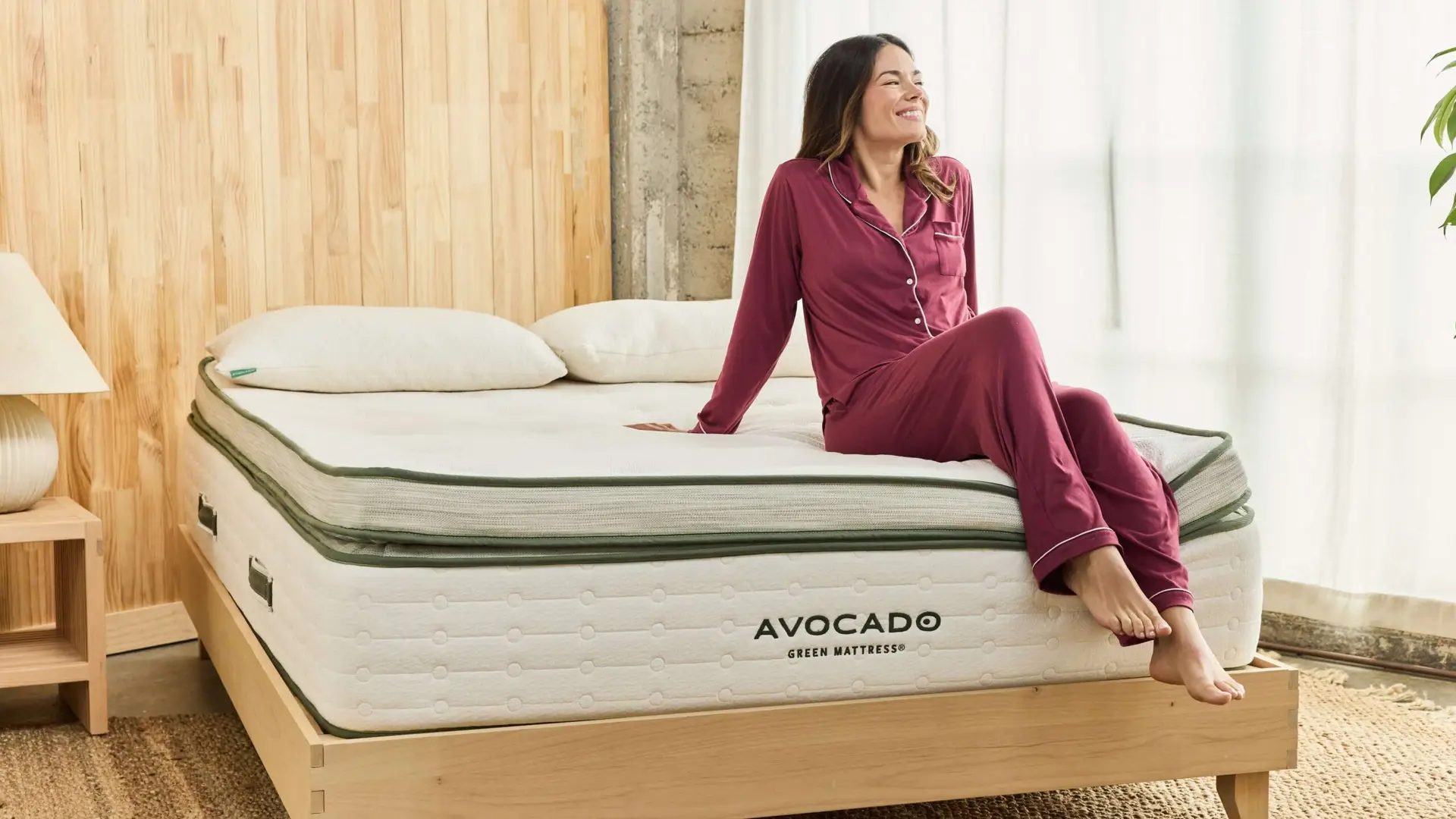
The materials used in a mattress can significantly influence its performance, particularly regarding temperature regulation and health benefits. As consumers become more health-conscious, the demand for cooling and organic materials has increased.
What Are the Cooling Properties of Memory Foam and Latex Mattresses?
Memory foam mattresses have traditionally been known for retaining heat; however, many modern versions incorporate cooling technologies such as gel-infused foam or open-cell structures to enhance breathability. Latex mattresses, made from natural rubber, are inherently cooler due to their breathable structure, allowing for better airflow and temperature regulation. These materials can help maintain a comfortable sleeping environment, especially for those who tend to sleep hot.
Why Choose Organic Mattresses and What Materials Are Used?
Organic mattresses are crafted from natural materials such as organic cotton, wool, and latex, free from harmful chemicals and synthetic materials. Choosing organic options can provide health benefits, including reduced exposure to allergens and toxins. Additionally, organic mattresses often feature sustainable production practices, appealing to environmentally conscious consumers. The growing trend towards organic materials reflects a broader shift towards healthier living and sustainability in the mattress industry.
How to Select the Ideal Mattress Size and Thickness for Your Needs?
Choosing the right mattress size and thickness is essential for ensuring comfort and support. The size should accommodate your sleeping habits and room dimensions, while the thickness can impact overall support and durability.
What Mattress Sizes Are Available and Which One Fits Your Space?
Mattresses come in various sizes, including twin, full, queen, king, and California king. Each size caters to different needs, from single sleepers to couples requiring more space. When selecting a mattress size, consider your room dimensions and personal space preferences to ensure a comfortable fit.
How Does Mattress Thickness Impact Support and Durability?
Mattress thickness typically ranges from 8 to 14 inches, with thicker mattresses often providing more support and durability. A thicker mattress can accommodate various sleeping positions and body types, offering better pressure relief and comfort. However, the ideal thickness also depends on personal preferences and the specific materials used in the mattress construction.
What Should You Know About Mattress Trial Periods, Warranties, and Lifespan?
Understanding mattress trial periods, warranties, and lifespan is crucial for making a confident purchase. These factors can significantly affect your overall satisfaction and investment in a mattress.
How Do Mattress Trial Periods Work and What Are the Best Options?
Most mattress companies offer trial periods ranging from 30 to 120 nights, allowing customers to test the mattress in their home environment. During this time, you can assess comfort and support, ensuring it meets your needs. It’s essential to read the terms and conditions, as some companies may have specific requirements for returns.
When Should You Replace Your Mattress Based on Lifespan and Wear?
The average lifespan of a mattress is typically 7 to 10 years, depending on the materials and usage. Signs that indicate it may be time for a replacement include visible sagging, discomfort during sleep, and increased allergies or respiratory issues. Regularly assessing your mattress’s condition can help ensure you maintain optimal sleep quality.
How Do Adjustable Bases and Sleep Technology Enhance Your Mattress Experience?
Adjustable bases and sleep technology have revolutionized the way we experience sleep. These innovations offer customizable comfort and support, catering to individual preferences and needs.
What Are the Benefits of Adjustable Bases for Different Sleep Positions?
Adjustable bases allow users to elevate their head or feet, providing tailored support for various sleep positions. This feature can alleviate pressure on the back and neck, improve circulation, and enhance overall comfort. Many users find that adjustable bases can also help with specific health issues, such as acid reflux or snoring.
How Is Sleep Technology Integrated into Modern Mattresses?
Modern mattresses increasingly incorporate sleep technology, such as smart sensors that track sleep patterns and adjust firmness levels automatically. These advancements provide valuable insights into sleep quality and can help users optimize their sleep environment. The integration of technology into mattresses represents a significant shift towards personalized sleep solutions, enhancing the overall sleep experience.
Conclusion
Choosing the right mattress is essential for enhancing your sleep quality and overall well-being. By understanding the various types, firmness levels, and materials, you can make an informed decision that aligns with your unique sleeping preferences. Don’t hesitate to explore our extensive range of mattresses to find the perfect fit for your needs. Start your journey to better sleep today!
Frequently Asked Questions
What factors should I consider when choosing a mattress for back pain relief?
When selecting a mattress for back pain relief, consider firmness, support, and material. A medium-firm mattress is often recommended as it provides a balance of comfort and support, promoting spinal alignment. Additionally, look for materials that offer pressure relief, such as memory foam or latex. It’s also essential to consider your sleeping position; side sleepers may need softer options, while stomach sleepers typically require firmer support. Testing the mattress during a trial period can help ensure it meets your specific needs.
How can I determine if a mattress is the right fit for my partner and me?
To find a mattress that suits both you and your partner, consider factors like sleeping positions, weight differences, and personal comfort preferences. A medium-firm mattress often accommodates various sleeping styles. Additionally, look for features like motion isolation, which minimizes disturbances when one partner moves. Testing the mattress together during a trial period can help you both assess comfort levels and support. Communication about each other’s needs is key to finding a suitable compromise.
What are the environmental benefits of choosing an organic mattress?
Choosing an organic mattress offers several environmental benefits, including reduced chemical exposure and sustainable production practices. Organic mattresses are made from natural materials like cotton, wool, and latex, which are grown without harmful pesticides or synthetic fertilizers. This not only benefits your health by minimizing allergens and toxins but also supports eco-friendly farming practices. By opting for organic, you contribute to a more sustainable mattress industry and help reduce the environmental impact associated with conventional mattress production.
How do I maintain my mattress to extend its lifespan?
To extend the lifespan of your mattress, regular maintenance is essential. Rotate your mattress every three to six months to promote even wear and prevent sagging. Use a mattress protector to shield against spills, dust mites, and allergens. Keep the mattress clean by vacuuming it periodically and addressing stains promptly. Additionally, ensure proper support by using a suitable foundation or bed frame. Following these maintenance tips can help you enjoy your mattress for many years while maintaining its comfort and support.
What should I know about mattress disposal and recycling options?
When it’s time to dispose of your mattress, consider recycling options to minimize environmental impact. Many cities offer recycling programs that break down mattresses into reusable materials like foam, metal, and wood. Some mattress retailers also provide take-back programs when you purchase a new mattress. Avoid simply throwing it away, as mattresses can take years to decompose in landfills. Research local recycling facilities or donation centers that accept gently used mattresses to ensure responsible disposal.
Are there specific sleep technologies that can help improve my sleep quality?
Yes, various sleep technologies can enhance your sleep quality. Smart mattresses equipped with sensors can track your sleep patterns, providing insights into your sleep cycles and suggesting adjustments for better rest. Features like adjustable firmness and temperature control can also be beneficial. Additionally, sleep apps that monitor your sleep environment, such as noise and light levels, can help you create a more conducive sleeping atmosphere. Integrating these technologies into your sleep routine can lead to improved overall sleep quality.